By Mark Williams | Exterior Remodeling Expert
In my 15 years as a residential exterior contractor, I’ve seen homeowners agonize over interior paint colors for weeks, only to spend ten minutes picking out their exterior siding. This is a massive mistake. Your home’s exterior siding is its first line of defense against the elements and the single largest contributor to its curb appeal. According to remodeling impact reports by the National Association of Realtors (NAR), new siding consistently offers one of the highest returns on investment (ROI) of any home improvement project, often recouping 70-80% of its cost at resale.
If your current siding is failing—cracking, warping, or rotting—replacing it is not just an aesthetic choice; it’s a structural necessity. But the market has exploded in recent years. Homeowners are no longer limited to the cheap, rattling white vinyl of the 1990s or the high-maintenance cedar of the 1970s.
Today, we are working with engineered composites, architectural metals, and fiber cement panels that can mimic everything from historic stucco to sleek, modern concrete.
In this comprehensive guide, I’m going to cut through the marketing fluff. We will explore the best exterior siding ideas for 2026, break down the brutal pros and cons of the top materials based on what I actually see in the field, and provide realistic pricing expectations so you don't get blindsided by contractor quotes.
1. Top Siding Materials: Finding Your Perfect Match
The foundation of any exterior design is the material itself. The material dictates how your house feels to the touch, how often you will be up on a ladder doing maintenance, and what the final invoice will look like. Here is my unvarnished take on the big four.
Fiber Cement Siding (The Industry Leader)
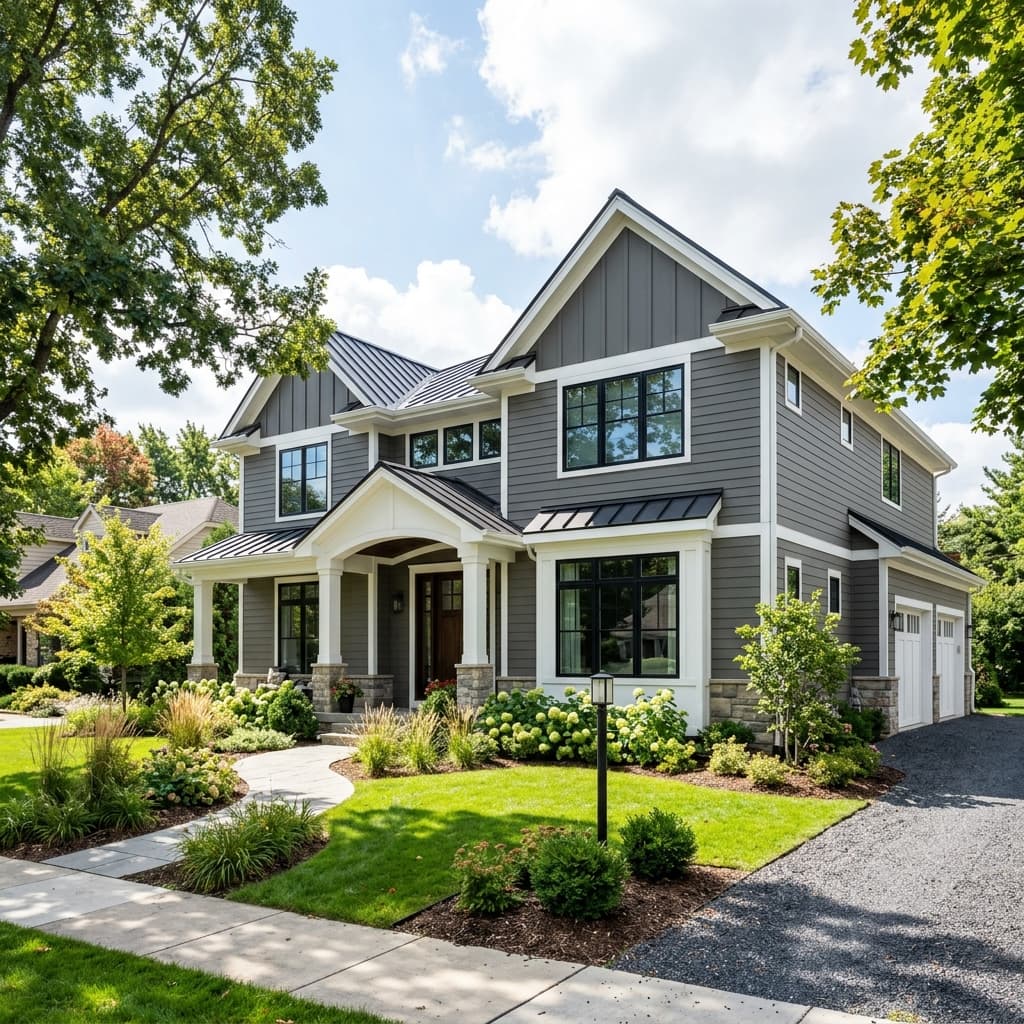 Pioneered by brands like James Hardie, fiber cement is a heavy, rigid mixture of Portland cement, sand, and wood pulp. It is pressed into massive molds to give it an authentic wood-grain texture or a perfectly smooth finish.
- Best For: Almost any architectural style, especially in regions prone to wildfires or heavy pests.
- My Experience (Pros): It is an absolute tank. It has a Class A fire rating (meaning it won't ignite), it is impervious to termites, and woodpeckers won't touch it. It holds paint exceptionally well; I routinely see factory-painted Hardie board last 15+ years before requiring a recoat.
- My Experience (Cons): It is brutally heavy and brittle before it goes on the wall. It requires specialized tools (like silica dust extractors) and highly trained labor. If a contractor installs it poorly (e.g., driving nails too deep or failing to flash joints), it will absorb moisture and crumble over time.
- Cost Expectation: $11 to $18 per square foot installed.
Premium Insulated Vinyl Siding
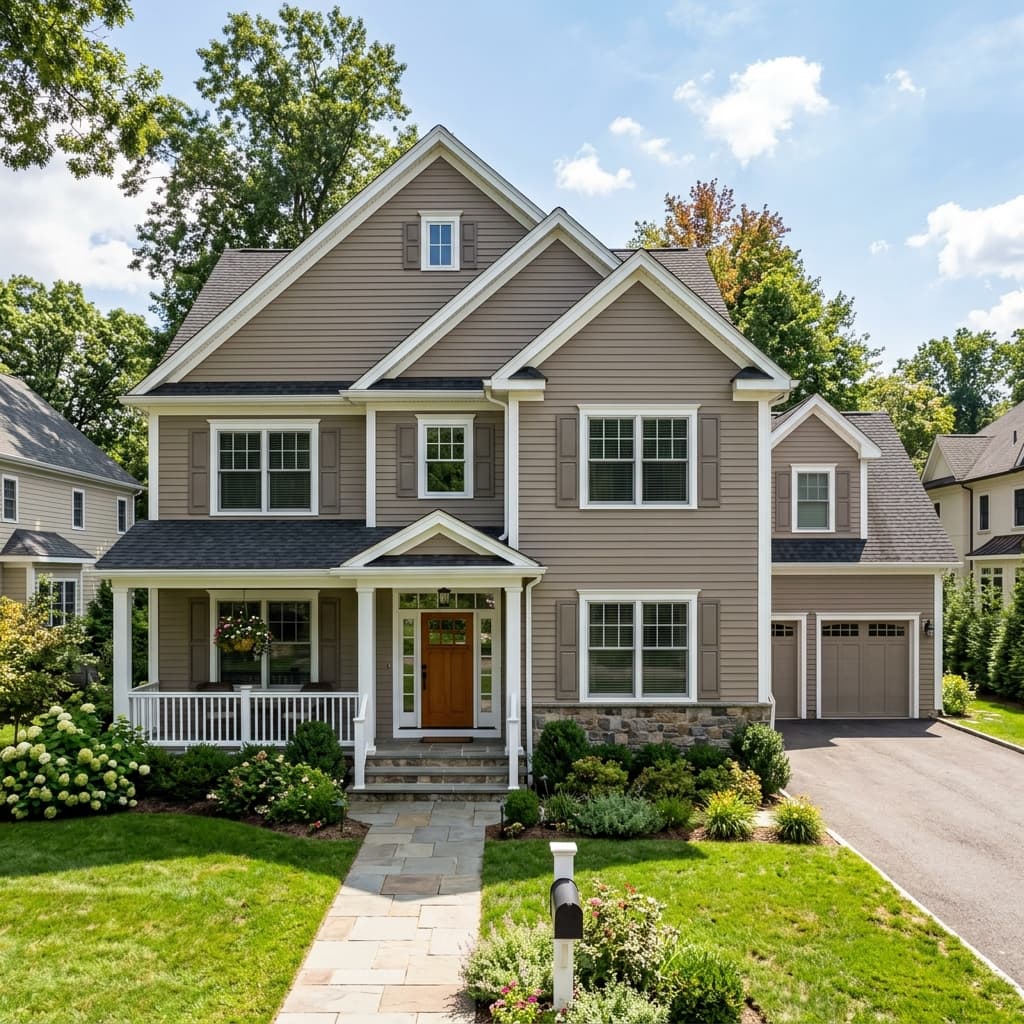 Forget the cheap, hollow plastic siding you are probably picturing. Modern premium vinyl (from tier-one brands like Alside or CertainTeed) features a thick, contoured foam backing permanently adhered to the panel.
- Best For: Budget-conscious renovations, energy efficiency upgrades, and low-maintenance seekers.
- My Experience (Pros): The foam backing gives it massive structural rigidity (it doesn't rattle in the wind) and impressive R-value (insulation). It never needs to be painted, it is incredibly lightweight, and it goes up fast, which keeps your labor costs down.
- My Experience (Cons): In extreme sub-zero temperatures, even premium vinyl can become brittle and crack if hit by massive hail or a rogue baseball. In extreme heat, cheap variations can warp. Furthermore, extremely dark vinyl colors have historically struggled with fading, though UV-resistant acrylic caps are improving this.
- Cost Expectation: $7 to $12 per square foot installed.
Engineered Wood Siding
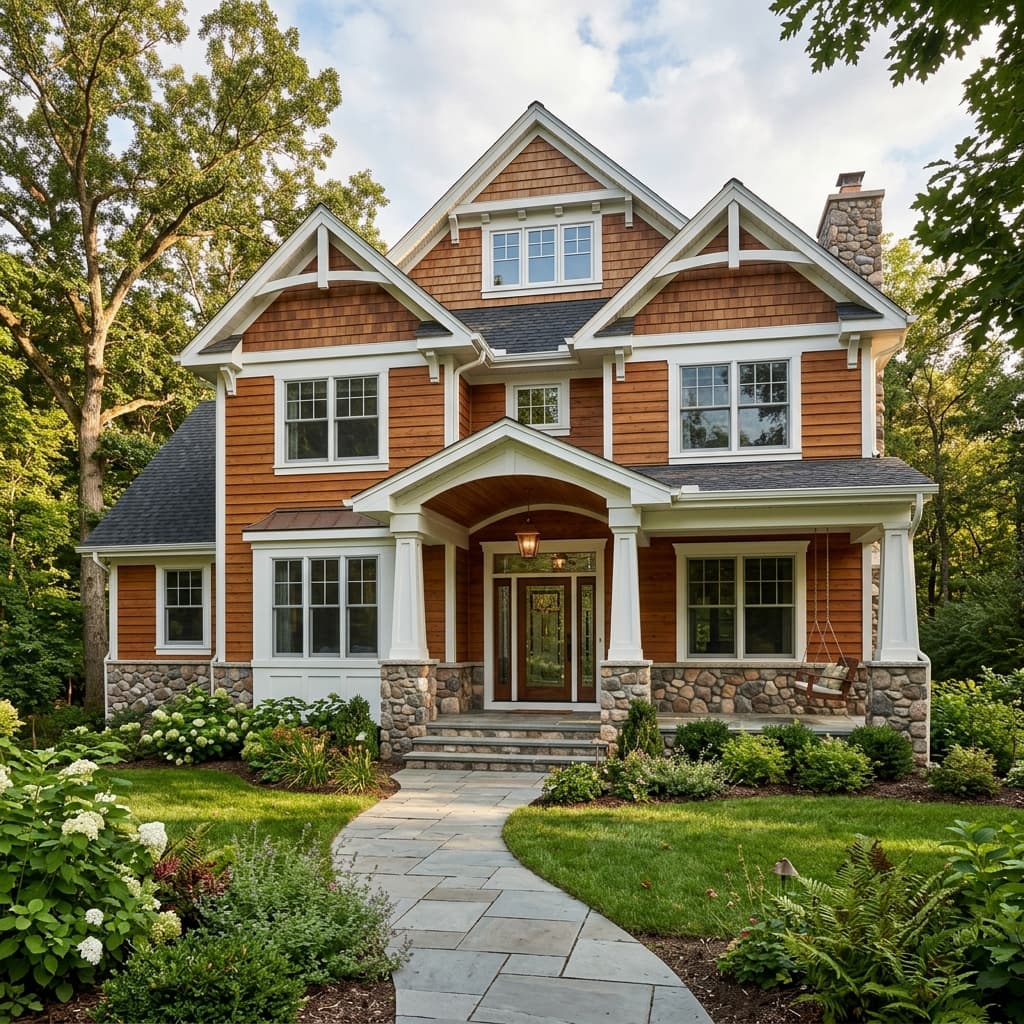 Engineered wood (most notably LP SmartSide) is created by treating wood strands with zinc borate and pressing them together with exterior-grade resins and waxes under massive pressure.
- Best For: Homeowners who demand the authentic look and feel of real wood without the massive maintenance requirements.
- My Experience (Pros): I love working with this stuff. It is significantly lighter and easier to cut than fiber cement, which speeds up the job. It is incredibly impact-resistant—I've literally watched baseballs bounce off it without leaving a dent. The zinc borate treatment makes it highly resistant to rot and fungal decay.
- My Experience (Cons): Because it is still fundamentally a wood product, any cuts made by the contractor during installation must be meticulously primed and painted. If a cut edge is left raw and exposed to water, the panel will swell and delaminate over time.
- Cost Expectation: $9 to $15 per square foot installed.
Architectural Metal Siding
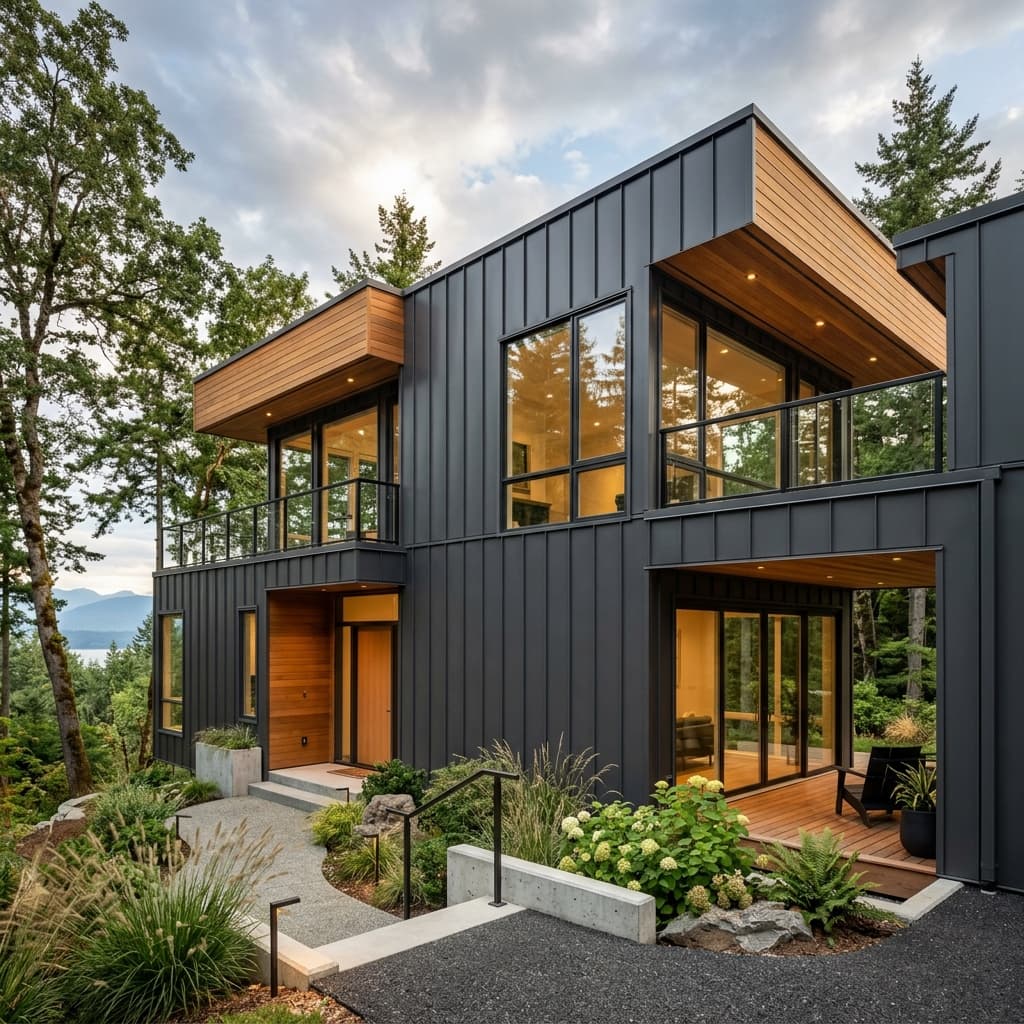 Metal siding (specifically corrugated steel or standing seam panels) is moving aggressively from commercial warehouses to luxury residential homes.
- Best For: Barndominiums, ultra-modern architecture, and striking architectural accent walls.
- My Experience (Pros): It is virtually indestructible, lasts 50+ years, requires absolute zero maintenance, and provides a sleek, unapologetically industrial aesthetic. It is the ultimate "set it and forget it" siding.
- My Experience (Cons): It is highly expensive. Furthermore, installing metal on walls requires specialized metalworkers (usually roofers), not standard siding crews. Finally, massive, golf-ball-sized hail can dent it, leaving permanent dimples.
- Cost Expectation: $15 to $25+ per square foot installed.
Want to see this design on your house?
Don't just read about it. Upload a photo of your home and use our free AI visualizer to test these styles instantly.
Start Designing For Free
2. Trending Siding Profiles and Architectural Styles
Once you choose a material, you must choose a "profile" (the shape and orientation of the siding on the wall).
The Classic: Horizontal Lap Siding
This is the standard look where long boards overlap each other horizontally, shedding water perfectly.
- The 2026 Trend: Instead of the standard 4-inch "Dutch Lap," I am seeing a massive shift toward 7-inch or 8-inch wide lap boards. The wider exposure makes the home look less cluttered, significantly more modern, and reduces the number of horizontal seams on the wall.
The Farmhouse Staple: Board and Batten
This vertical style uses wide, flat panels with narrow vertical strips (battens) covering the seams.
- The 2026 Trend: Mixing batten spacing. Instead of placing a batten every 16 inches on center, architects are calling for asymmetrical patterns (e.g., placing battens at 12 inches, 12 inches, then a 24-inch gap). It creates bespoke, rhythmic textures on modern homes.
The Modern Minimalist: Smooth Architectural Panels
For ultra-modern, flat-roofed homes, traditional wood grains look entirely out of place.
- The 2026 Trend: Using massive 4x8 foot smooth fiber cement panels (like the Hardie® Architectural Collection) installed with sleek metal trim reveals between the boards. It mimics the look of commercial poured concrete or stucco, but with the durability of fiber cement.
The Accent: Cedar Shakes
Shakes (or shingles) provide intense, rugged texture reminiscent of coastal Cape Cod homes or mountain cabins.
- The 2026 Trend: Instead of cladding the entire house in shakes (which is astronomically expensive), we use synthetic shakes exclusively on the high triangular gables of the roof. It adds massive visual interest above standard lap siding without breaking the budget.
3. The Top Exterior Color Palettes for 2026
Your siding color sets the mood for the entire property. In my recent projects, we have completely abandoned "builder-beige" in favor of bold, intentional palettes.
The "Moody Modern" (Charcoal, Navy, and Black)
Dark siding is the biggest trend of the decade. Deep colors like Sherwin-Williams Iron Ore or Benjamin Moore Hale Navy make the house recede into the landscape and allow vibrant green landscaping to pop violently.
- My Contractor Tip: If you choose dark siding, you must use warm, natural wood accents (like a stained cedar front door, wooden garage door, or cedar porch posts) to prevent the house from looking like a cold monolith.
The "Earthy Organic" (Sage, Olive, and Taupe)
As homeowners seek a closer connection to nature, stark grays are being replaced by warm, earthy greens and muddy taupes (often called "Mushroom"). Colors like Sherwin-Williams Evergreen Fog provide a calming, historic elegance that blends perfectly with natural stone masonry.
The "Timeless Contrast" (Crisp White and Black)
The modern farmhouse look of brilliant white siding paired with black window frames is not going anywhere. It is clean, universally appealing, and provides the safest, highest resale value on the market.
4. Crucial Design Considerations Before You Sign a Contract
Before you sign a $30,000 contract for new siding, consider these critical elements that homeowners always forget until it's too late:
- Don't Forget the Soffit and Fascia: The siding is only half the battle. If you put beautiful new James Hardie siding on your walls but leave the old, rotting, dented aluminum on your roof overhangs (soffit and fascia), the entire project will look cheap. Budget to replace these elements simultaneously.
- The Window Factor: If your windows have thick, bright white vinyl frames, painting your house pitch-black will create a jarring, high-contrast look that highlights the cheap window frames. Ensure your siding color complements (or hides) your existing windows.
- Check Local Regulations: If you live in an HOA or a historic district, you may be legally barred from using certain materials (like vinyl) or specific bold colors. Always get written approval before purchasing materials.
My Final Take
Replacing your siding is a massive investment, but it is also a blank canvas to completely reinvent the character and value of your home. Whether you opt for the dramatic elegance of dark fiber cement board and batten or the budget-friendly durability of insulated vinyl, my biggest piece of advice is this: prioritize a high-quality installation over a cheap material price.
A premium material installed by an amateur will fail in two years, but a well-designed, meticulously installed siding system will protect your home and turn heads for decades.