
Design Your Landscape Lighting.
Enhance your home's security and nighttime curb appeal. Upload a photo and use our free AI visualizer to test landscape and architectural lighting.
Upload a Photo of Your House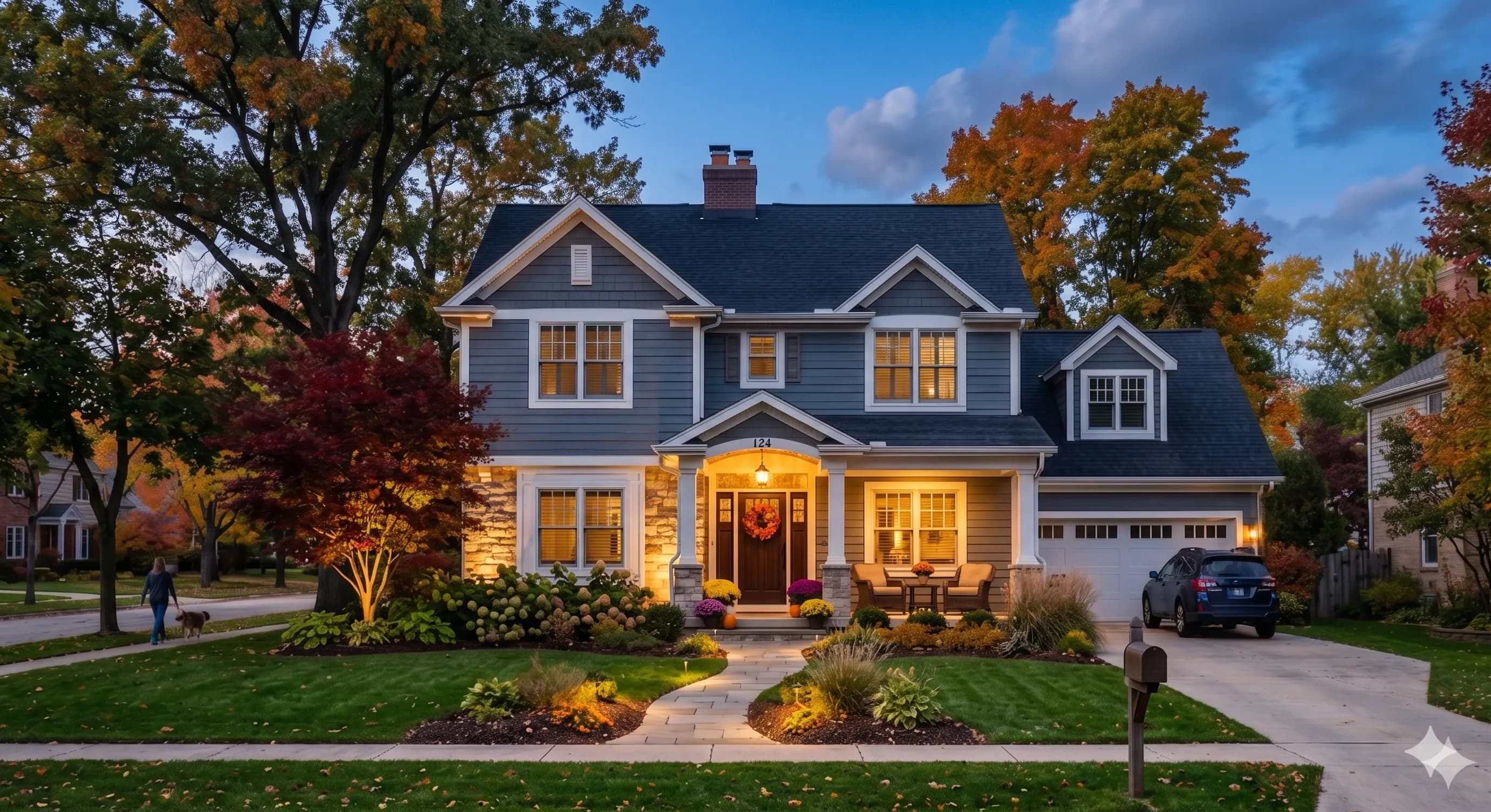
Why Visualize Before You Buy?
- ✓Upload a photo of your own home
- ✓Test uplighting, path lights, and sconces
- ✓Visualize different color temperatures (warm vs cool)
- ✓100% free with no downloads required
The Best Free Outdoor Lighting Visualizer
Professional landscape lighting can dramatically increase your home's curb appeal after the sun goes down. Our outdoor lighting visualizer lets you see exactly how different lighting fixtures and placement strategies will illuminate your home's best features.
Test Different Lighting Types
Don't just stick a solar light in the dirt. With our tool, you can visualize:
- Architectural Uplighting: Highlight columns, dormers, and brick textures.
- Path Lighting: Ensure safe walkways with stylish low-voltage fixtures.
- Wall Sconces: Upgrade the fixtures flanking your front door and garage.
Perfect the Color Temperature
The color of the light matters just as much as the fixture. Use our visualizer to test the difference between a cozy, warm white (2700K) and a crisp, modern daylight (5000K).
Make your exterior renovation stress-free. Start designing with our free outdoor lighting visualizer today!
The Ultimate Guide to Outdoor Landscape Lighting
When the sun goes down, even the most stunningly designed, million-dollar exterior disappears into total darkness. High-end landscape and architectural lighting is the secret ingredient that transforms a nice house into an absolute showstopper at night. It adds immense security, expands your usable outdoor living space, and dramatically highlights your home's best architectural features.
How to Use the Outdoor Lighting Visualizer
- Upload a Night or Twilight Photo: Take a clear photo of your home right after the sun sets (twilight) and upload it to the visualizer.
- Let AI Analyze the Architecture: Wait 3 seconds while our AI detects the ground plane, walls, and architectural columns for accurate light casting.
- Place Lighting Fixtures: Virtually drop bullet uplights at the base of columns, line your walkway with path lights, and adjust color temperatures (e.g., 2700K vs 3000K).
- Save and Compare Designs: Download your high-resolution lighting renderings to share with your landscape contractor before buying fixtures.
Why Use an Outdoor Lighting Visualizer?
Outdoor lighting is notoriously difficult to design. If you use too many lights, your house looks like a blinding airport runway. If you place them incorrectly, you create harsh, ugly shadows. Our outdoor lighting visualizer app allows you to upload a nighttime photo of your home and virtually place path lights, uplights, and wall sconces to see exactly how the light washes across your siding and landscaping before burying a single wire.
The Three Layers of Landscape Lighting
A professional lighting design never relies on just one type of fixture. It requires three distinct layers to create depth and drama:
- Path Lighting (The Base Layer): Small fixtures pushing light downward onto walkways and garden beds. These provide safety and define the borders of your property.
- Uplighting (The Architectural Layer): High-powered bullet lights placed on the ground, pointing up at the house. They wash light up massive brick chimneys, highlight second-story gables, and illuminate the canopy of large, majestic trees.
- Hardscape/Wall Lighting (The Detail Layer): Tiny, hidden LED strip lights tucked under stair treads, retaining walls, or outdoor kitchen countertops to provide subtle, glowing ambient light.
Frequently Asked Questions (FAQ)
What is color temperature, and which is best?
Color temperature measures how "warm" or "cool" light looks, measured in Kelvin (K). For residential exteriors, never use harsh blue daylight (5000K). You want a warm, inviting glow. Stick to 2700K (Warm White) for architectural uplighting, or 3000K for highlighting green trees.
Are solar lights as good as wired low-voltage lights?
No. Cheap plastic solar lights from big-box stores provide very weak light, require direct sunlight all day to charge, and their batteries fail rapidly in extreme heat or cold. Professional, wired, low-voltage (12V) LED systems offer intense, reliable, consistent brightness every single night for decades.
How much does professional landscape lighting cost?
A high-quality, professional low-voltage LED system (including a heavy-duty transformer, brass or copper fixtures, and buried wiring) typically starts around $2,500 to $4,000 for a modest front yard layout.
What is the difference between an uplight and a wash light?
An uplight (or bullet light) produces a tight, highly focused beam of light meant to highlight narrow vertical features like columns or tall trees. A wash light produces a wide, diffuse spread of light meant to gently illuminate wide expanses of blank siding or low retaining walls.
Do I need a transformer for landscape lighting?
Yes. Your house runs on dangerous 120-volt line voltage. Outdoor landscape lighting is much safer and uses 12-volt low voltage. The transformer plugs into a standard exterior outlet and steps the dangerous 120V power down to a safe 12V for the buried wires.
How deep should landscape lighting wires be buried?
Because standard 12-volt landscape lighting is considered safe (you cannot be electrocuted by it), building codes usually only require the wire to be buried 6 inches deep in the dirt or mulch to protect it from lawnmowers and string trimmers.
Ready to see it on your real home?
Stop guessing with small swatches. See the exact materials on a real photo of your house right now.
Start Your Design