Stamped Concrete vs Pavers
Explore the latest trends for stamped concrete vs pavers driveway. Find the perfect look for your home's architecture and discover complementary materials.
See this on your own home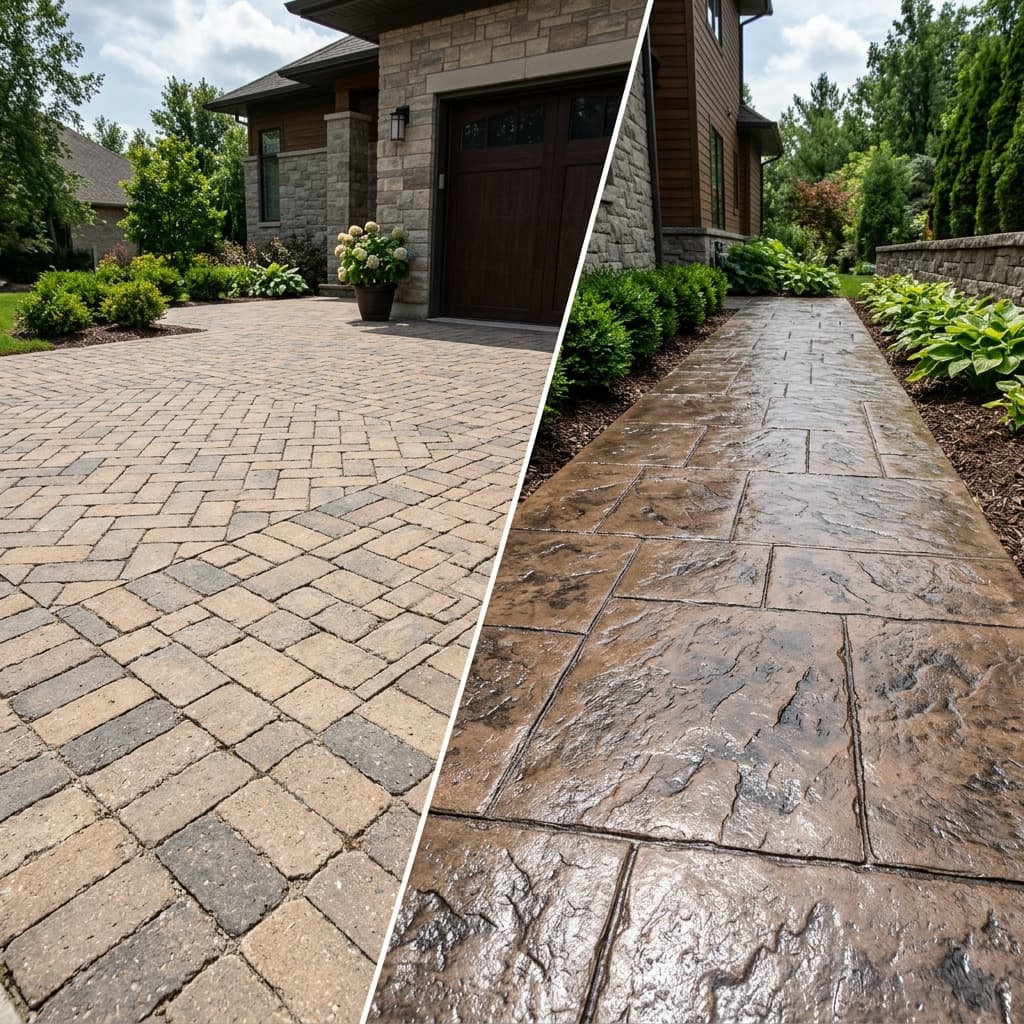
Design Considerations
What you need to know before choosing stamped concrete vs pavers.
Pros
- Stamped concrete is cheaper and faster to install
- Pavers won't crack like solid concrete
- Pavers allow for easy underground utility repairs
Cons & Challenges
- Stamped concrete will inevitably crack over time
- Pavers can settle unevenly if the base is poor
- Stamped concrete requires resealing every 2-3 years
The Driveway Dilemma: Stamped Concrete vs Pavers
When upgrading from a standard, boring brushed concrete or asphalt driveway, homeowners face two primary luxury options: Stamped Concrete or Interlocking Pavers.
From a distance, both can look incredibly similar, often mimicking natural stone or brick. However, structurally, financially, and practically, they are vastly different products. Understanding the realities of both materials is crucial before making a $15,000+ investment in your home's curb appeal.
Stamped Concrete: The Affordable Illusion
Stamped concrete is created by pouring a massive, solid slab of standard concrete, adding a color hardener, and then pressing large rubber mats (stamps) into the wet concrete to create the texture and pattern of individual stones.
Why Homeowners Choose It: The primary advantage of stamped concrete is the price. Because it is poured all at once, the labor costs are significantly lower than laying thousands of individual pavers by hand. It can mimic high-end materials like slate or flagstone at a fraction of the cost. Also, because it is a solid slab, weeds cannot grow through the "joints" (because the joints are just stamped impressions, not actual gaps).
The Brutal Reality: Concrete will crack. It is a guarantee. While contractors install control joints to encourage the concrete to crack in a straight line, it often cracks jaggedly across the beautiful stamped pattern, ruining the illusion. Furthermore, stamped concrete must be resealed every 2-3 years, or the color will rapidly fade in the sun and peel away. Finally, it can be incredibly slippery when wet or icy, as the surface is essentially a painted, sealed slab.
Interlocking Pavers: The Premium Standard
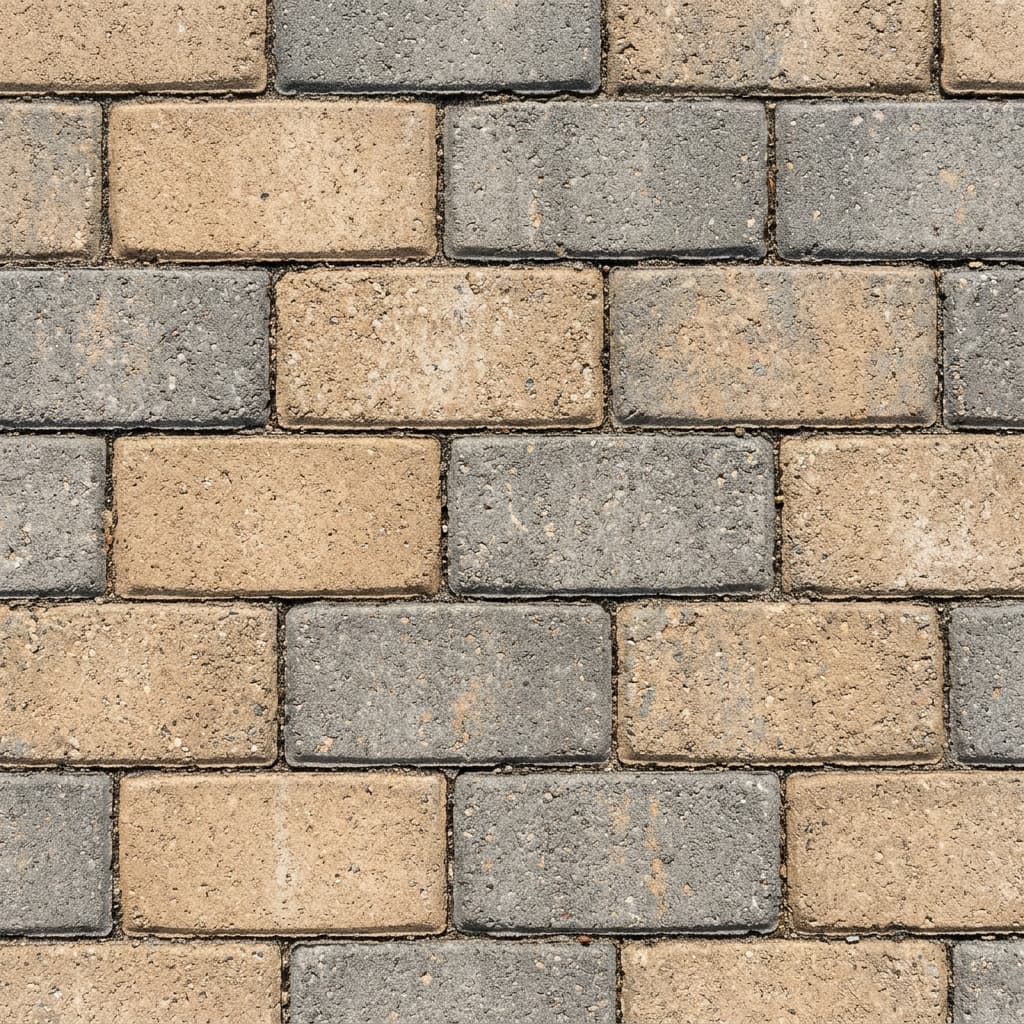
Pavers are individual, high-density concrete bricks that are laid by hand over a compacted gravel and sand base.
Why Homeowners Choose It: Pavers are structurally superior to poured concrete. Because the driveway is made of thousands of individual pieces, it is "flexible." It can shift and move slightly with the freeze/thaw cycle of the ground without ever cracking. If a paver gets stained by motor oil or chipped by a snowplow, you simply pull out that one brick and drop in a replacement. Pavers also offer vastly superior traction in wet weather.
Furthermore, if a pipe bursts under your driveway, a paver driveway can be unzipped, the pipe repaired, and the exact same pavers put back with zero visible trace of the repair. Doing this to concrete requires a jackhammer and leaves a permanent, ugly scar.
The Brutal Reality: Pavers are expensive. The intensive labor required to build the base and lay the stones by hand often makes a paver driveway 30% to 50% more expensive than stamped concrete. Also, if you do not use high-quality polymeric sand in the joints, weeds and moss will eventually take root between the stones.
Material Textures & Finishes
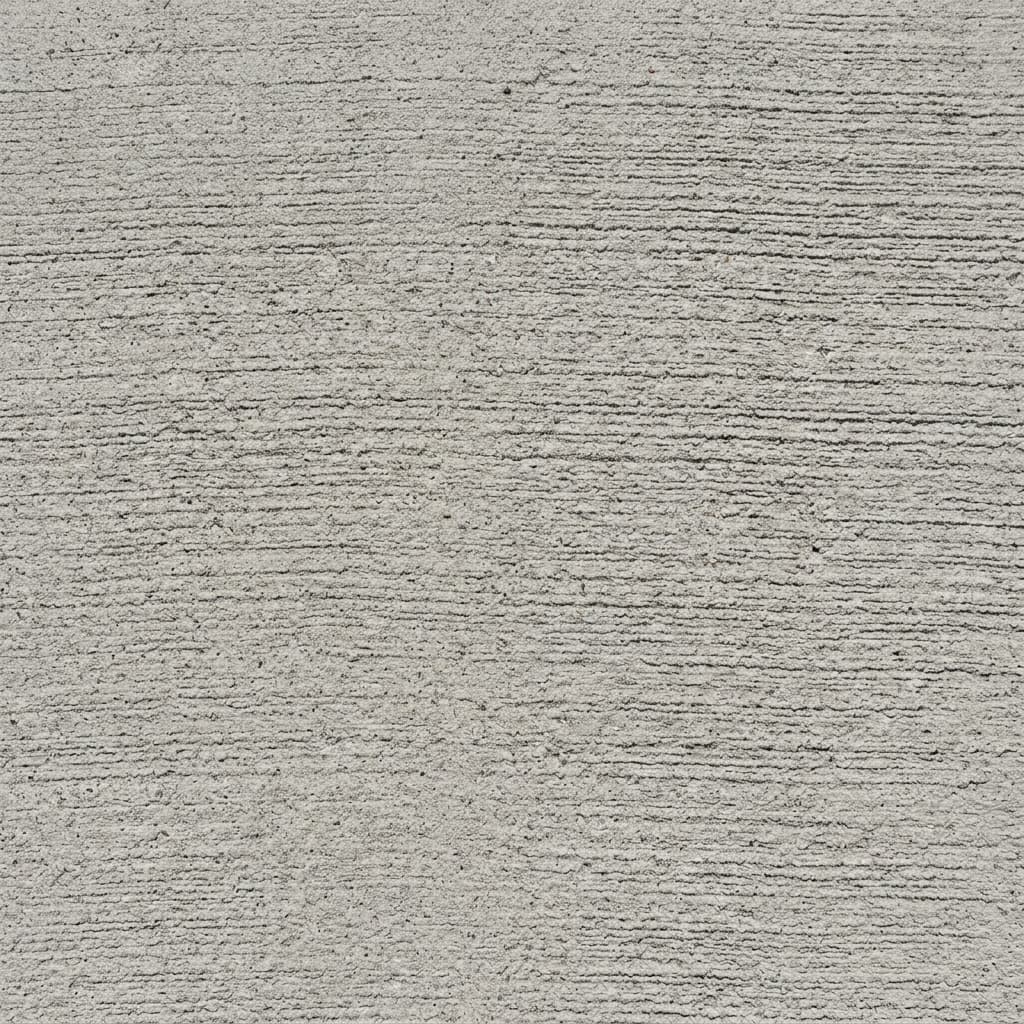
Up-close details of the driveway materials featured in these designs.
Frequently Asked Questions
Common questions about stamped concrete vs pavers and exterior visualization.
How can I see what my house looks like with stamped concrete vs pavers?
You don't have to guess based on small samples. You can use Exterior Vibe's free AI visualizer to upload a photo of your house and instantly see stamped concrete vs pavers applied to your exterior in seconds.
Is there an app to test driveway on my home exterior?
Yes, Exterior Vibe is a free web application that allows you to test different driveway options on your actual home. Simply upload a photo and the AI will apply the new materials, taking lighting and rooflines into account.