Mixed Material Siding
Explore the latest trends for mixed material siding ideas stone and wood. Find the perfect look for your home's architecture and discover complementary materials.
See this on your own home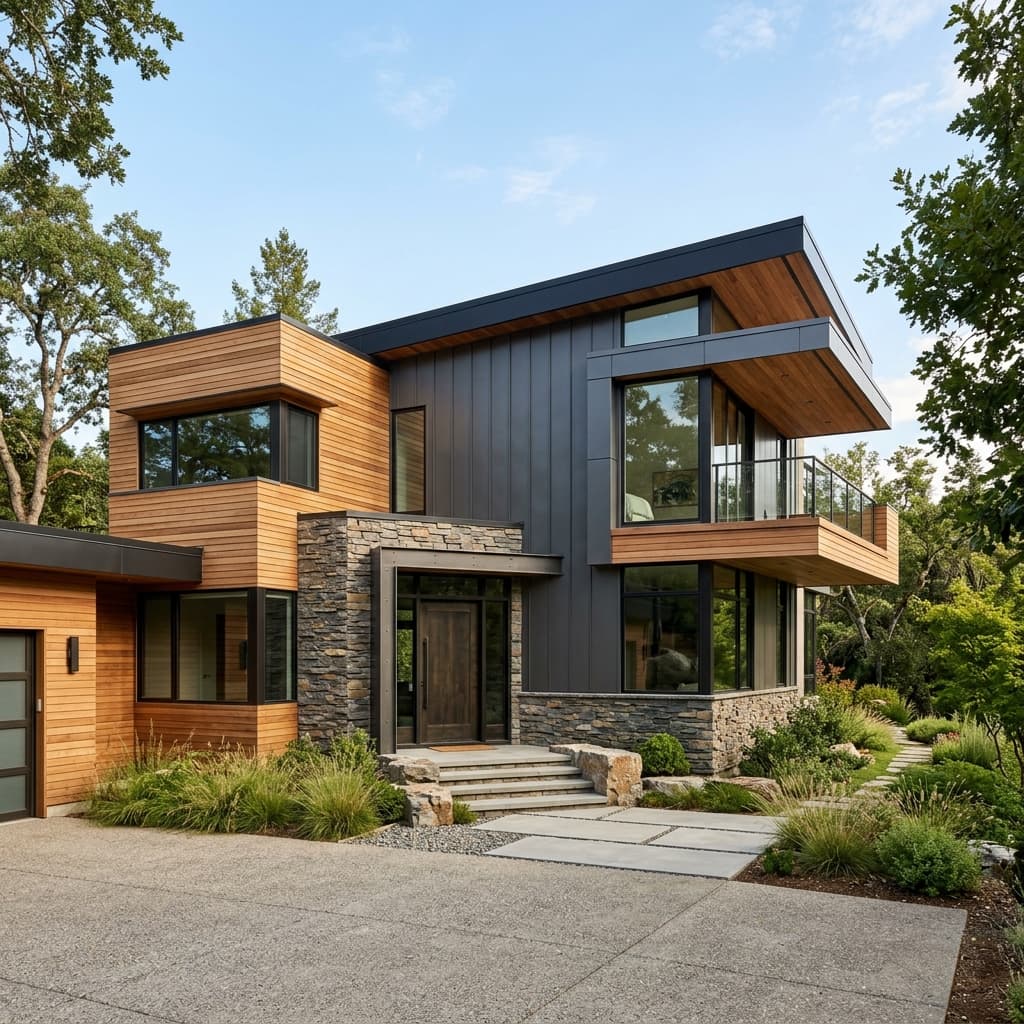
Design Considerations
What you need to know before choosing mixed material siding.
Pros
- Breaks up large, monotonous facades
- Highlights architectural focal points
- Combines organic textures (wood/stone) with clean lines
Cons & Challenges
- Requires careful proportion balancing (Rule of 3)
- Multiple trades needed for installation
- Higher complexity in waterproofing transitions
Elevating Exterior Design with Mixed Material Siding
Gone are the days when a home's exterior had to be wrapped in a single, monotonous material. Modern residential architecture heavily favors the "Mixed Material" approach—strategically combining stone, wood, metal, and fiber cement on the same facade.
When executed correctly, mixed material siding breaks up large, imposing walls, highlights specific architectural features, and creates a highly custom, luxury aesthetic. When executed poorly, it can look chaotic, cluttered, and disjointed.
The Rule of Three
The most critical rule in mixed material design is the "Rule of Three." To maintain visual harmony, you should generally limit your exterior to a maximum of three primary siding materials (excluding the roof).
A classic, foolproof triad includes:
- The Anchor (Base): Natural or manufactured stone veneer grounding the bottom third of the house or wrapping the foundation.
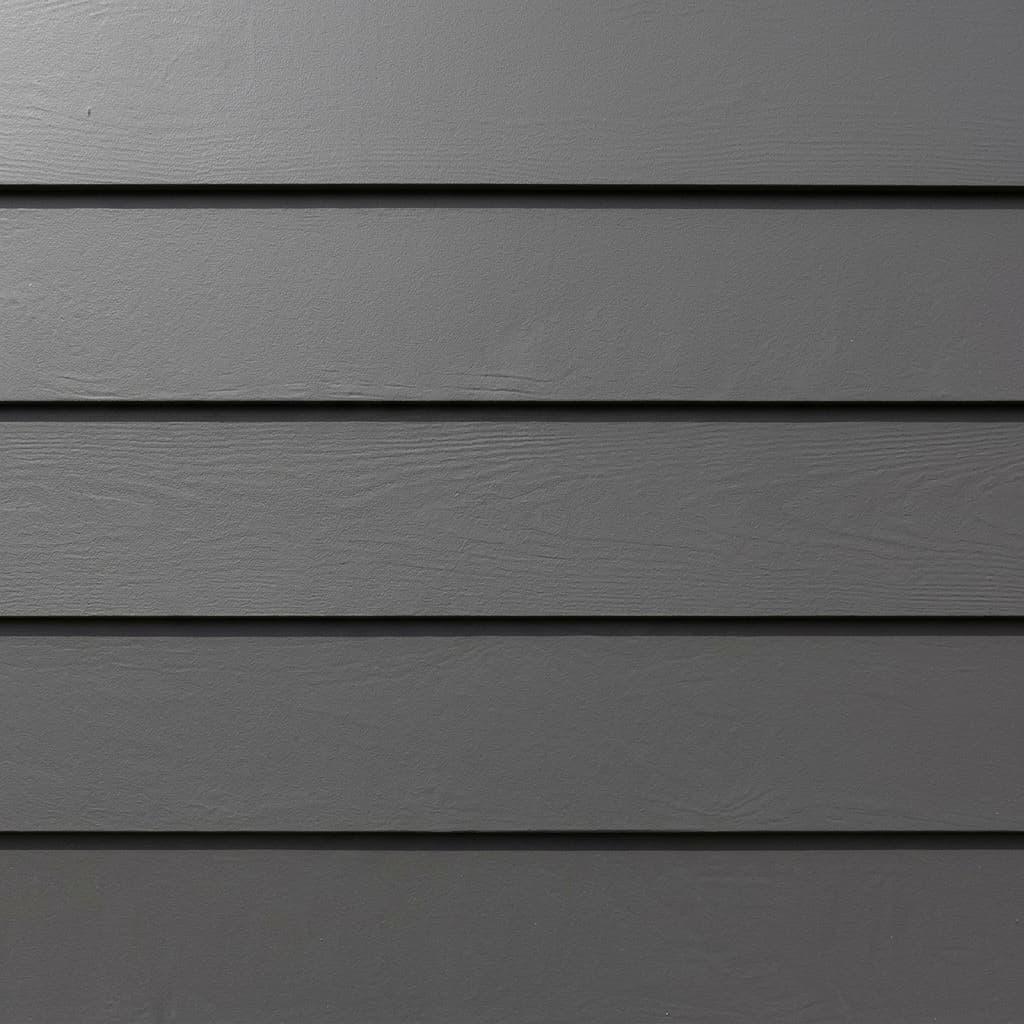
- The Body (Main): Smooth fiber cement lap siding or stucco covering the majority of the wall space.
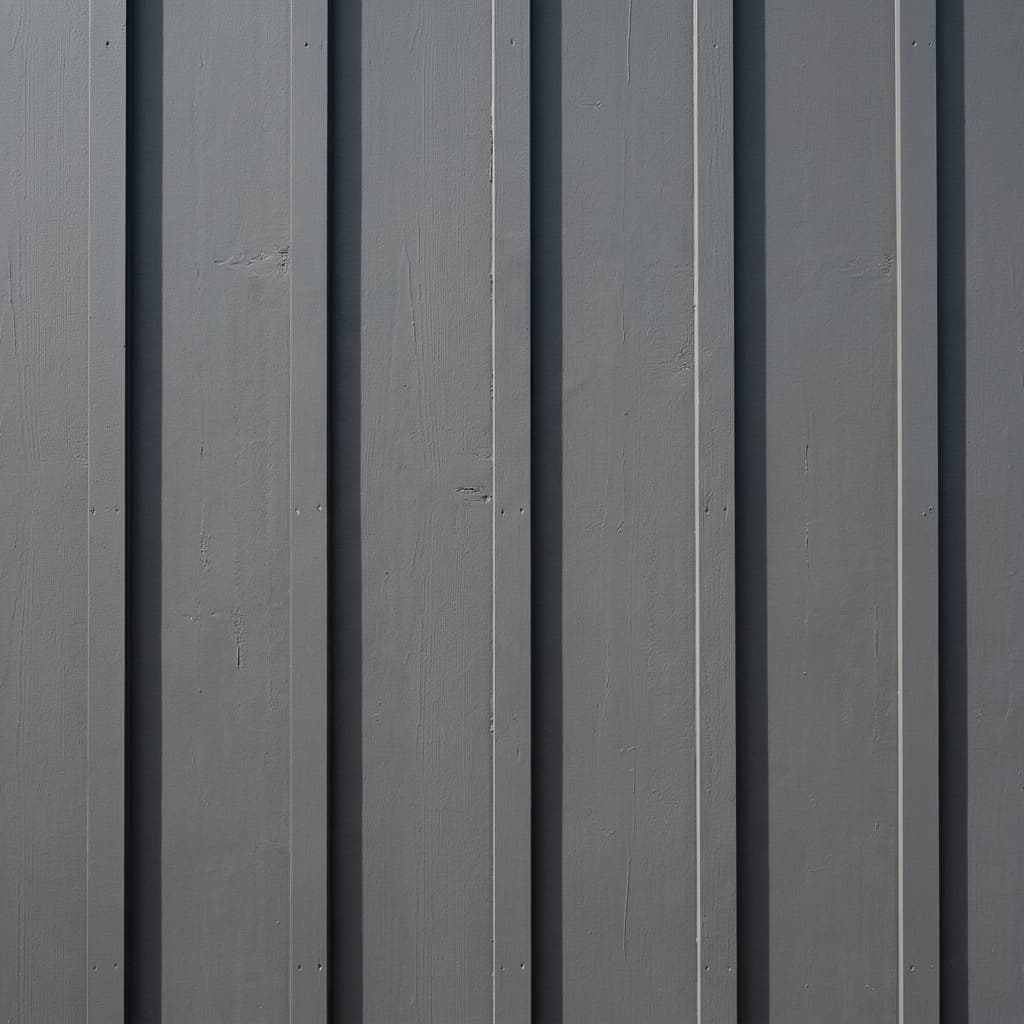
- The Accent (Highlight): Warm cedar planks or vertical metal panels used exclusively in the gables, around the entryway, or on a specific architectural bump-out.
Balancing Texture and Temperature
Successful mixed material facades rely on the careful balancing of visual texture and color "temperature."
If you use a very rough, highly textured stone for your anchor, pair it with a smooth, clean-lined material (like flat fiber cement panels) for the body. This prevents the textures from competing for the eye's attention.
Similarly, balance warm and cool tones. If your main body siding is a cool, stark charcoal gray, introduce warmth through natural wood accents (like a stained tongue-and-groove porch ceiling or cedar shake in the gables). This tension between warm organic materials and cool industrial materials is the hallmark of contemporary design.
Installation and Waterproofing Challenges
While mixed materials look beautiful, they significantly complicate the installation process.
Every time one material transitions to another (e.g., where stone veneer meets wood siding), there is a seam. These transition points are highly susceptible to water intrusion. Your contractor must be highly skilled in installing the appropriate Z-flashing, drip edges, and sealants at every material change.
Furthermore, mixing materials often requires hiring multiple specialized trades (a mason for the stone, a carpenter for the wood, a siding crew for the fiber cement), which will increase your overall project timeline and labor costs. Always ensure your general contractor has a clear plan for how the different materials will physically tie together before work begins.
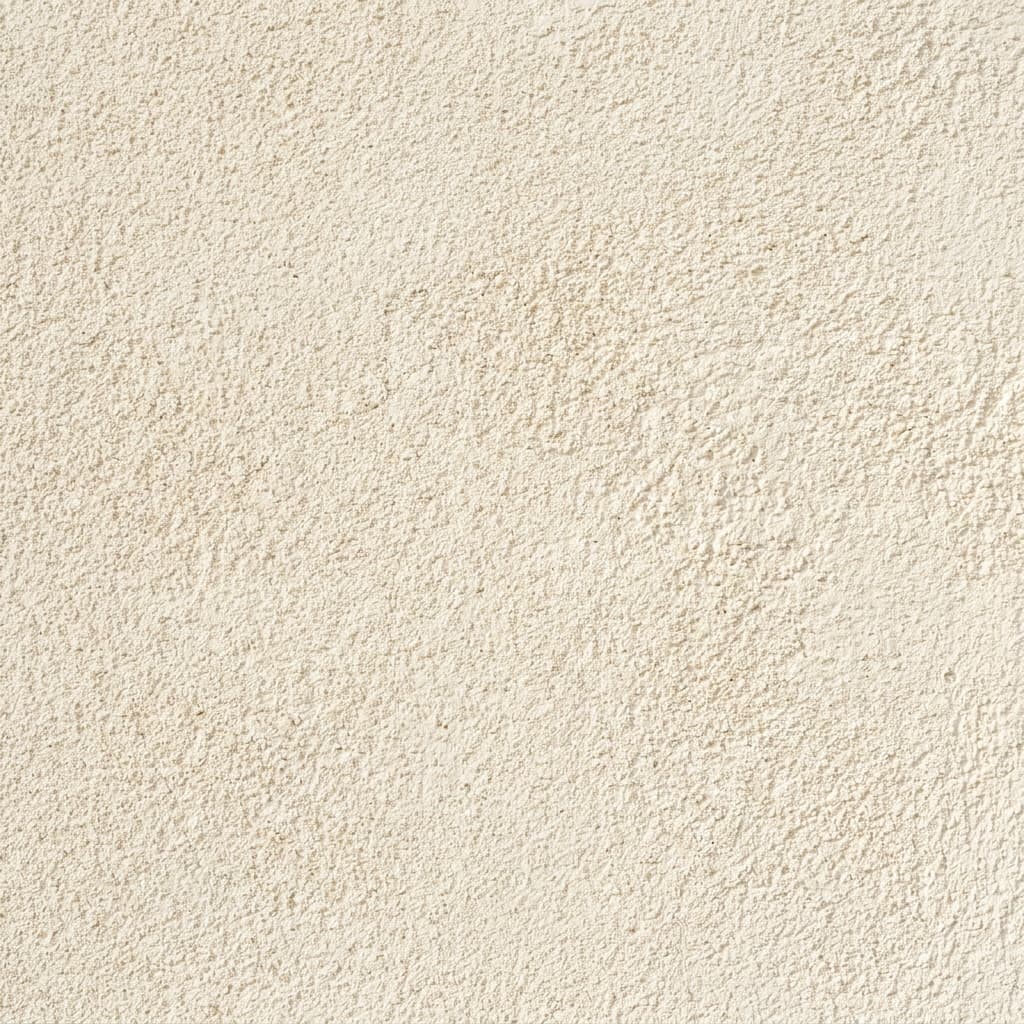
Material Textures & Finishes
Up-close details of the siding & trim materials featured in these designs.
Authoritative Sources
Exterior Vibe relies on objective data and industry standards. For more technical information regarding siding & trim materials, consult these trusted organizations:
Frequently Asked Questions
Common questions about mixed material siding and exterior visualization.
How can I see what my house looks like with mixed material siding?
You don't have to guess based on small samples. You can use Exterior Vibe's free AI visualizer to upload a photo of your house and instantly see mixed material siding applied to your exterior in seconds.
Is there an app to test siding & trim on my home exterior?
Yes, Exterior Vibe is a free web application that allows you to test different siding & trim options on your actual home. Simply upload a photo and the AI will apply the new materials, taking lighting and rooflines into account.